ATTENTION! 10% DISCOUNT on Mats when you order 6 or more!
Free shipping from 239 Euro!



Learning through play is one of the best ways to develop a child’s skills. Educational mats can be an excellent tool for supporting toddlers’ motor, sensory, and cognitive development. In this article, we’ll show you how to effectively use educational mats to make learning not only effective but also fun.
Educational mats have many benefits that make them an indispensable tool for supporting a child’s development:
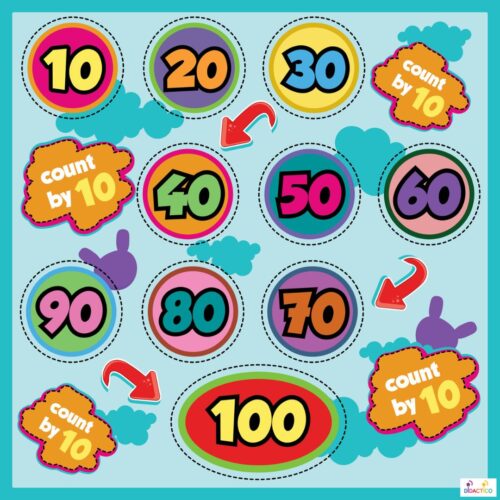
Lay out the number cards on the mat and ask your child to jump to the correct square according to the given math problem. You can also use small objects to count.
Use mats in different shapes and colors so your child can practice naming them. Ask questions like, “Can you stand on the red circle?”
Combine a few different sensory mats and let your child walk on them barefoot. It’s great fun that develops proprioception and helps build body awareness.
You can arrange letters from cards or stickers on the mat. Ask your child to jump on the letters in the correct order to form simple words.
You can use the mats to create a creative obstacle course—jumping, squats, weaving through obstacles—all of which support a child’s motor development and improve their fitness.
With this mat, you can practice “right” and “left” as well as directions, such as “move forward two spaces, then turn left.”
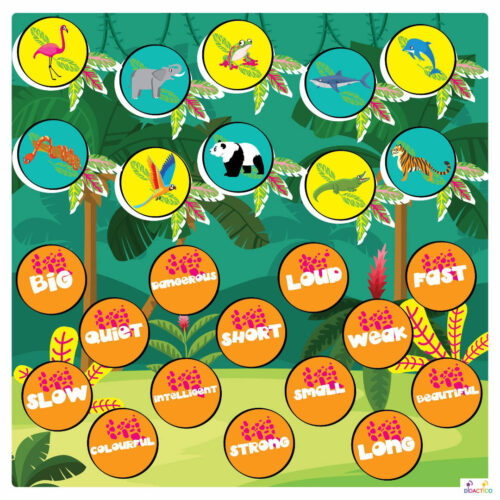
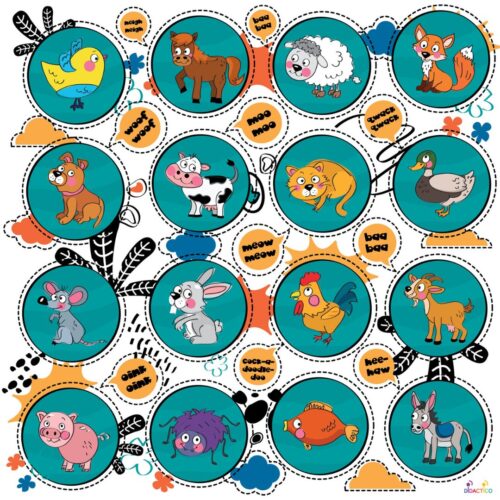
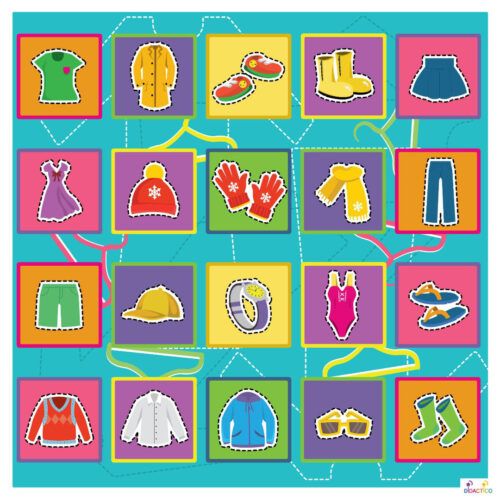
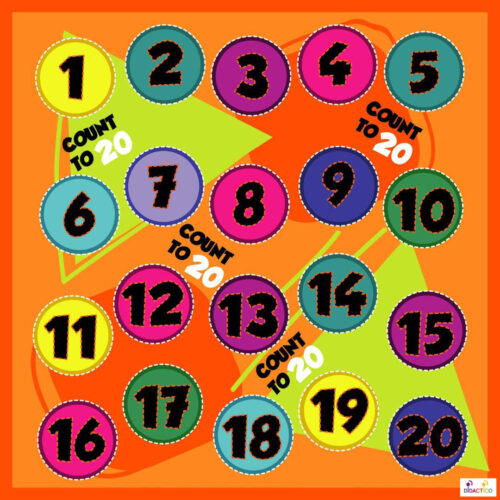

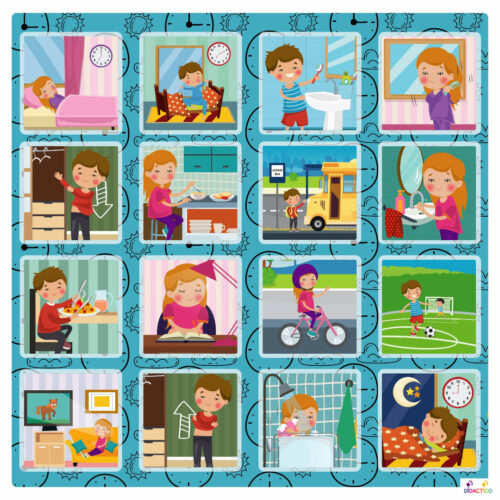
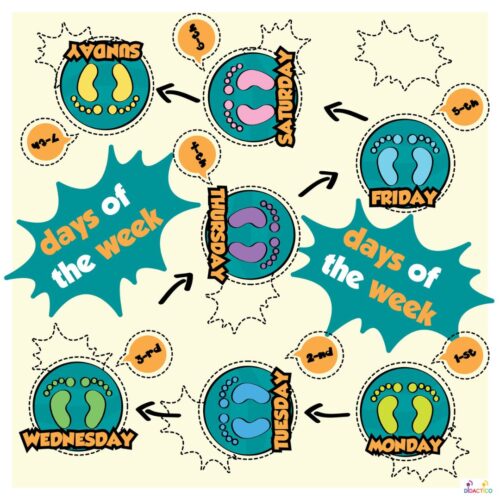
Arrange pictures of various objects on the mat and encourage your child to point out the ones that go together, such as “ball” and “playground.”
Encourage your child to come up with their own rules for playing on the mat—for example, rolling a die and performing specific moves.
Some mats have special balancing elements—children can try walking across them without losing their balance.
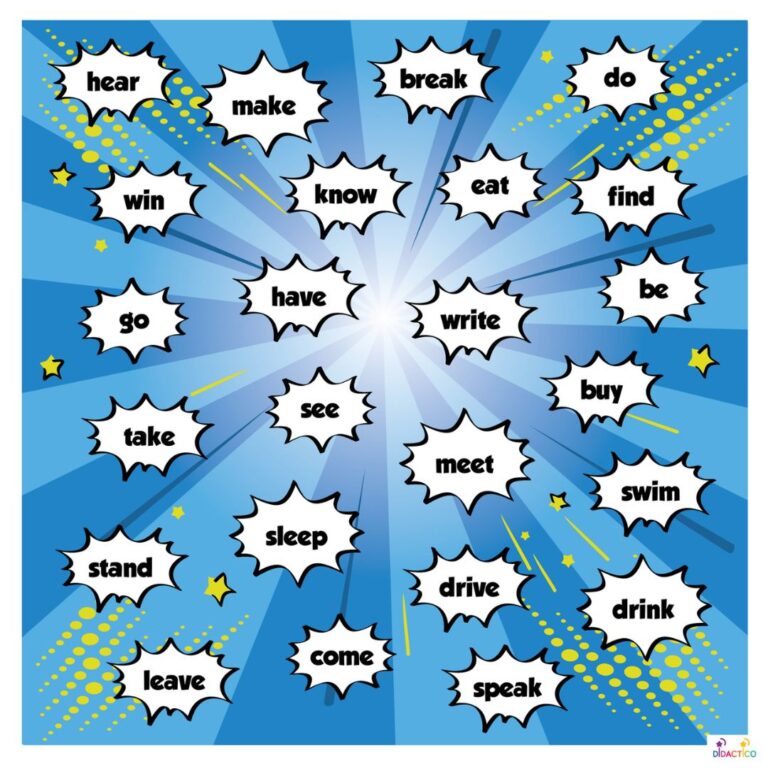
You can place words in different languages on the mat and practice recognizing and pronouncing them in a fun way.
Educational mats are a great tool for learning through play. They support a child’s development in a natural and engaging way by stimulating the senses, encouraging movement, and fostering creativity. It’s a good idea to use them every day to make learning fun and engaging.
See also our article on “Learning Through Play—Why Is It the Best Way to Help a Child Develop?”